
The global swimming pool heat pump industry has entered a new stage of development. Unlike the explosive growth experienced during the COVID-19 pandemic and the subsequent energy crisis in Europe, the market is now transitioning toward sustainable, technology-driven expansion. Demand is increasingly supported by environmental regulations, energy-efficiency requirements, rising electricity prices in many regions, and the replacement of aging pool heating systems.
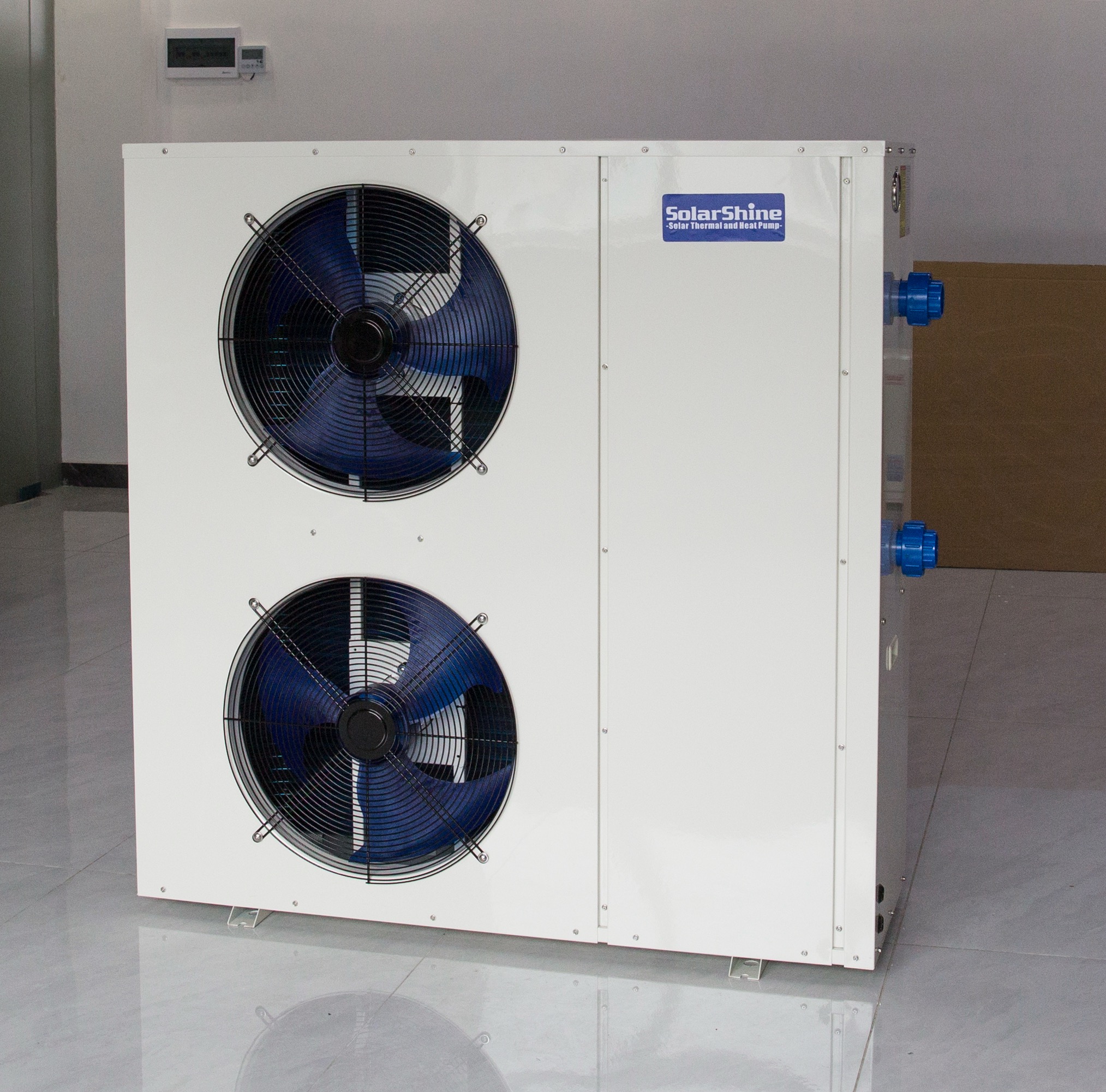
Pool heat pumps have become the preferred solution for residental and commercial swimming pools because they consume substantially less electrcity than electric resistance heaters while offering lower operating costs than gas-fired systems in many climates. Modern inverter-driven products achieve high seasonal performance and quiet operation, making them increasingly attractive for homeowners, hotels, fitness centers, water parks, and luxury residential developments.
At the same time, the industry’s competitive landscape has changed significantly. Chinese manufacturers now account for the majority of global production capacity, supplying both their own brands and a large share of OEM products for European, Australian, and North American companies. The market has become increasingly technology-focused, with inverter compressors, titanium heat exchangers, smart controls, and environmentally friendlier refrigerants becoming standard rather than premium features.
The next five years will likely be characterized by four major trends:
First, replacement demand will become more important than first-time installation in mature markets such as France, Spain, Italy, Australia, and parts of the United States.
Second, developing markets—including the Middle East, Southeast Asia, Latin America, and parts of Eastern Europe—are expected to contribute a growing share of new installations as residential construction, tourism, and hotel investment continue.
Third, raw material volatility, especially copper, titanium, stainless steel, semiconductors, compressors, and refrigerants, will remain a key challenge for manufacturers. Profitability will depend increasingly on engineering optimization and supply-chain management rather than simply increasing sales volume.
Fourth, environmental regulations will accelerate the adoption of low-global-warming-potential refrigerants such as R290, while stricter energy-efficiency standards will encourage further investment in inverter technology.
Overall, despite short-term fluctuations caused by economic cycles, freight costs, and trade policies, the long-term outlook for the global pool heat pump industry remains positive.Swimming pool heating has historically relied on natural gas, LPG, diesel, or electric resistance heaters. Although these technologies provide rapid heating, they consume significant energy and generate higher operating costs.
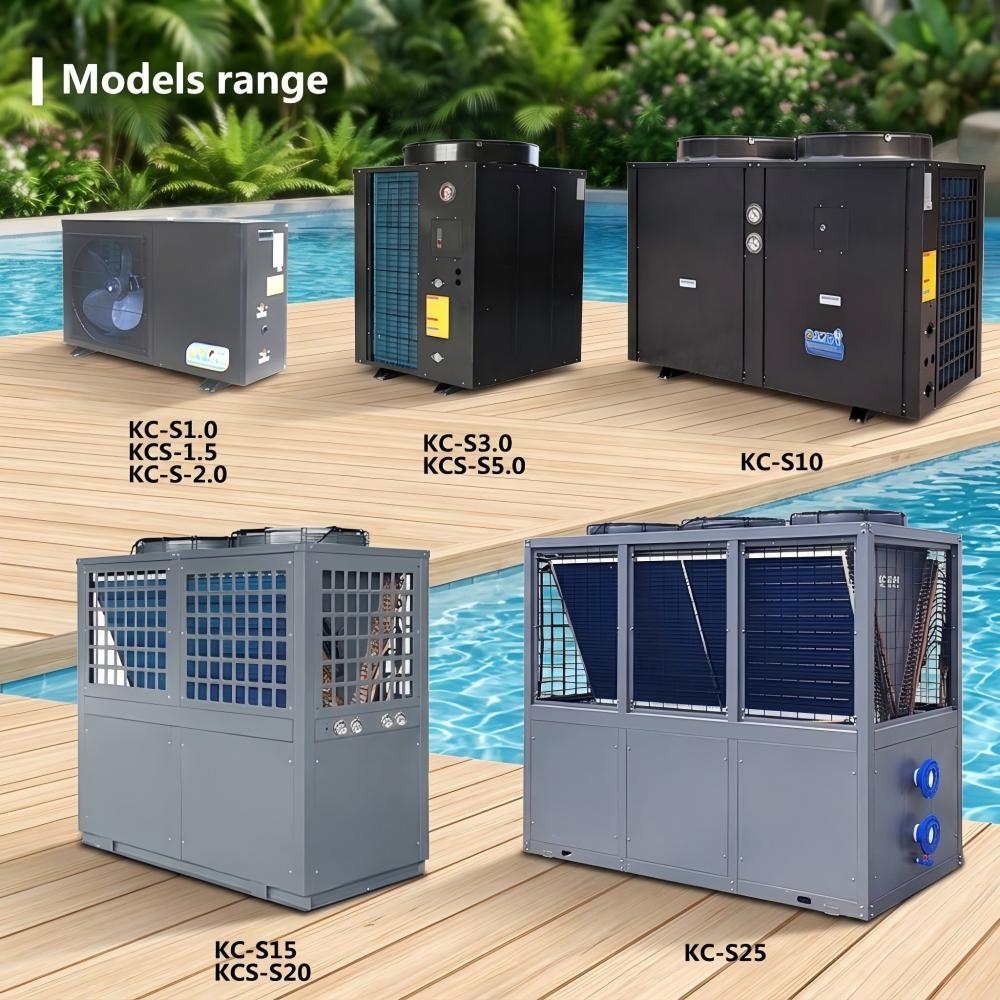
The increasing focus on energy efficiency over the past two decades has led to widespread adoption of air-source heat pumps for pool heating. Rather than generating heat directly, a heat pump transfers heat from ambient air into pool water, enabling much higher energy efficiency.
Typical performance characteristics include:
| Heating Method | Typical Efficiency |
|---|---|
| Electric resistance heater | ~100% |
| Gas boiler | ~85–95% |
| Pool heat pump | COP 4–7 under favorable conditions |
In practical terms, this means that a modern inverter pool heat pump can deliver approximately four to seven units of heat for every unit of electricity consumed, depending on ambient conditions.
As electricity grids become greener and renewable energy expands, heat pumps also contribute to lower lifecycle carbon emissions compared with fossil-fuel heating.
Post time: Jul-07-2026